A shame on the state: Palestinian families locked out of Irish schools
At the end of a deserted road in rural Ireland, behind derelict buildings and an abandoned industrial school watched over by a statue of the Sacred Heart, seven Palestinian families are in limbo.

By Alice Murphy
At the end of a deserted road in rural Ireland, behind derelict buildings and an abandoned industrial school watched over by a statue of the Sacred Heart, seven Palestinian families are in limbo.
The Red Cross evacuated the 19 adults and 23 children on a programme to bring children with serious medical needs for care in Irish hospitals. Several are missing limbs. Some are in wheelchairs. Many have haemophilia and complex heart conditions. On the outskirts of Kilkenny they’re a 20-minute walk from the nearest bus stop and the public transport some can’t, because of their profound medical needs, use anyway.
After surviving a genocide that killed relatives and friends they face fresh uncertainty: shunted around Ireland, left without transport to vital appointments, only four of the children in school and forced to find their own way there, with places found by independent volunteers rather than the Red Cross.
They stress though that they have no complaints about where they are living, grateful to be here, all seven families desperate to stay together after losing so much. Their only wish, they say, is for their children to have an education and some stability.
“We’re not looking for luxury, we’re just looking for security,” says one father who was evacuated in May last year. “We want our kids to learn. We just want to live. That’s it,” he says to The Ditch.
Before and during the genocide he worked as a journalist and producer for international news outlets in Gaza. His teenage daughter was born with a hole in her heart and had been awaiting surgery when the genocide began.
That would never happen in Ireland
“I am so grateful that we are here,” he says. “My daughter was able to have her surgery. But we lost everything and now we are living in uncertainty.” He said it is terrible to see his children out of school for so long and that they feel trapped. “You are not in the sky, and you are not on the land. It’s like limbo.”
With his head in his hands he describes how important education is to Palestinians, especially in Gaza, which before the genocide had one of the highest literacy rates in the world. After Covid-19 school closures and Israel’s destruction of more than 97 percent of schools in the Strip, the younger children are “weak in English and even weak in Arabic”, he says.
“We see our kids wasting time, just playing, playing, playing,” he says, gesturing to a group of children taking turns on bikes outside the window. “Before the war we were living under occupation. We had no control of our economy or our situation so the only weapon we had was education. Now I’m having to do an online course for my kids. It’s crazy.”
While they had the opportunity to be evacuated to Belgium, Spain and Italy, he said he and the others chose Ireland so their children could learn English and because of public support for Palestine. “They told us that the kids will go to school and you’ll have integration with the community, but really, we’re just wasting time.”
When he tells friends and family about the situation, he said they think he is lying because “that would never happen in Ireland.”
Until June the families had been living in emergency accommodation sourced by the Irish Red Cross in the Caritas Centre on Merrion Road in Dublin. It’s part of the former St Mary’s nursing home that was quietly offered to prospective buyers on behalf of the Religious Sisters of Charity earlier this year.
A strategic masterplan identified the site’s potential for a “landmark multi-use development” comprising – among other things – 315 single-bed student accommodation units and a 239-bedroom hotel. So the Palestinian families living there were forced to move more than 100 kilometres away because no affordable housing could be found in Dublin – despite all needing to visit hospitals in the area several times a week.
Another medical evacuee says nobody had a problem with moving out of Dublin because of the Irish housing crisis. “We understand that, and we have no problem with moving,” he says. The problem is that most of the children are still not in school and nothing has been done to help them get there. The families say they have had one visit from a Red Cross representative since moving to Kilkenny. They say they would be lost without Palestinian Support Group volunteers and the local Kilkenny Leader Partnership.
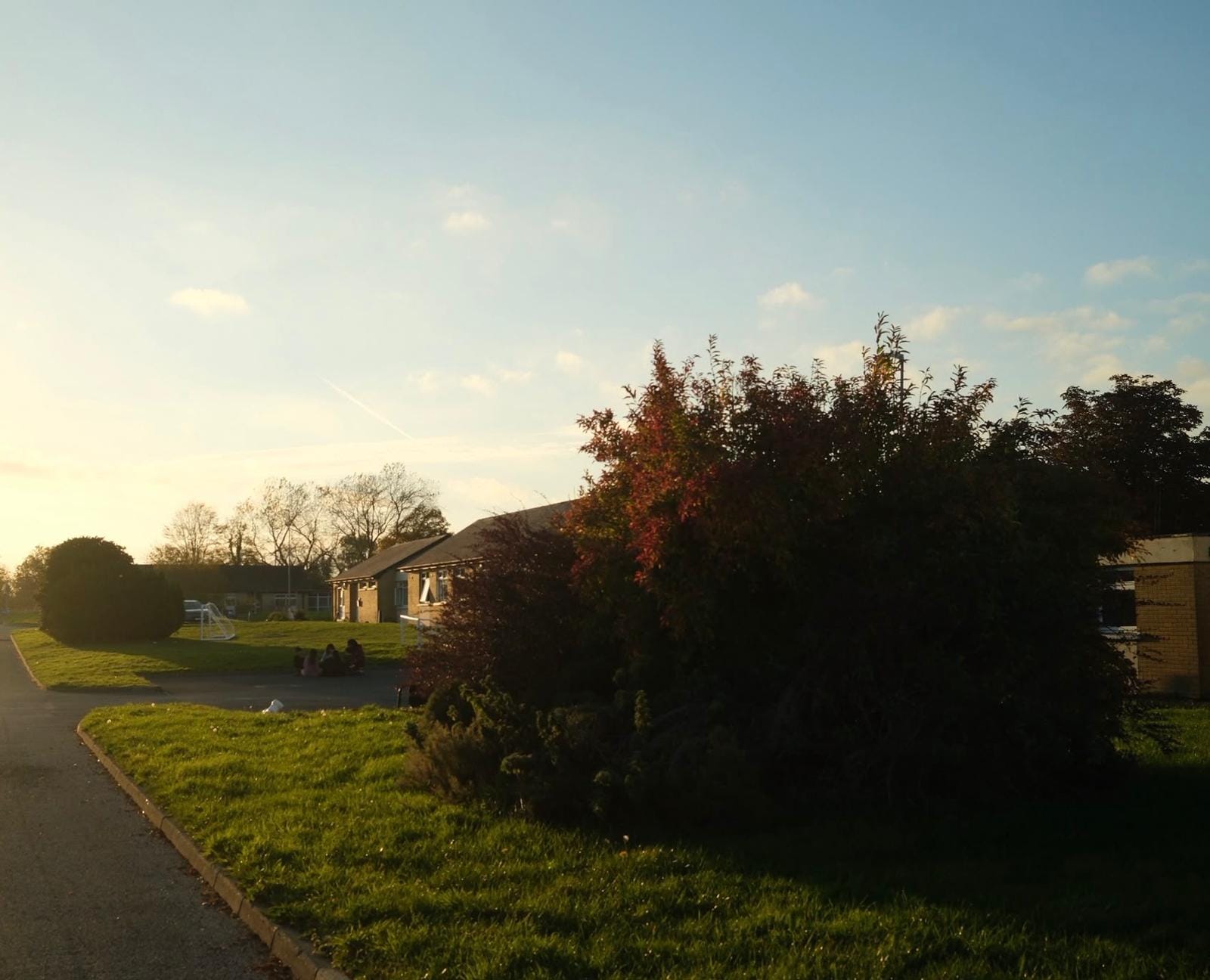
They’re managing by sharing the cost of taxis and arranging to go grocery shopping together to keep expenses to a minimum. “The women are trying to share the responsibility,” said a father of three children with severe haemophilia, “but it’s difficult.”
The mothers in particular have a special bond, looking after each other’s children when someone needs to take a sick child to hospital, but their circumstances have taken a toll.
“I am depressed, especially when I think about the kids,” says one mother. “I was very happy to come here. I thought the kids will have medicine and go to school. I never imagined how difficult it would be.”
Stephanie McDermott, a retired lecturer and expert in refugee resettlement in Ireland, says the disruption to education will have “long-term implications” on the children’s development and mental health. “This really can’t go on as we face into another winter in Ireland,” she says.
The longer children remain outside the education system, she says, the greater the potential barriers to reintegration, because of “educational gaps, language difficulties, and social isolation”. “A school place is not meaningful if a child cannot physically get there. Where families are accommodated in an isolated location without public transport, arranging appropriate transport is an essential part of ensuring access,” she says.
The Gaza Medevac Initiative, designed by the Department of Health and the Irish Red Cross, claims to provide medical treatment, mental health support and temporary housing, as well as language classes and caseworkers who “play a central role” in the lives of evacuees.
While multiple family members have lost their lives or been seriously injured in Gaza, and many remain there, the families in Kilkenny have not received the psychological, educational, or integrative support that was promised.
Acknowledging 'challenges'
Social Democrats senator Patricia Stephenson has been advocating for the children to get school places and transport since August but said there has been “no urgency whatsoever” from the Red Cross or government. “Education is a fundamental human right, and these children have been denied it,” she says.
She says it is “absolutely appalling” how they have been treated and described it as a “shame” on the state.
“We have a government that uses wonderful words of solidarity at the UN and then fails to do the bare minimum. Actions speak louder than words. The Irish government brought these families to Ireland, promised them support, and now they are fearful for their future because their children cannot access education.”
An Irish Red Cross spokesperson acknowledged the families' “challenges”.
“The children had been attending school while the families lived in Dublin. We are very aware that since the families moved to Kilkenny there have been challenges with school places and transport to school, despite work beginning on this several months ago.
“We have engaged closely with the Local Authority Integration Team, Regional Education and Language Teams and the Education and Training Boards to arrange necessary school places and transport and, while school places have been secured, our engagement on transport continues,” they said.
The Department of Health was contacted for comment.