Patrick O'Donovan didn't admit secret call with Coimisiún na Meán about media examination
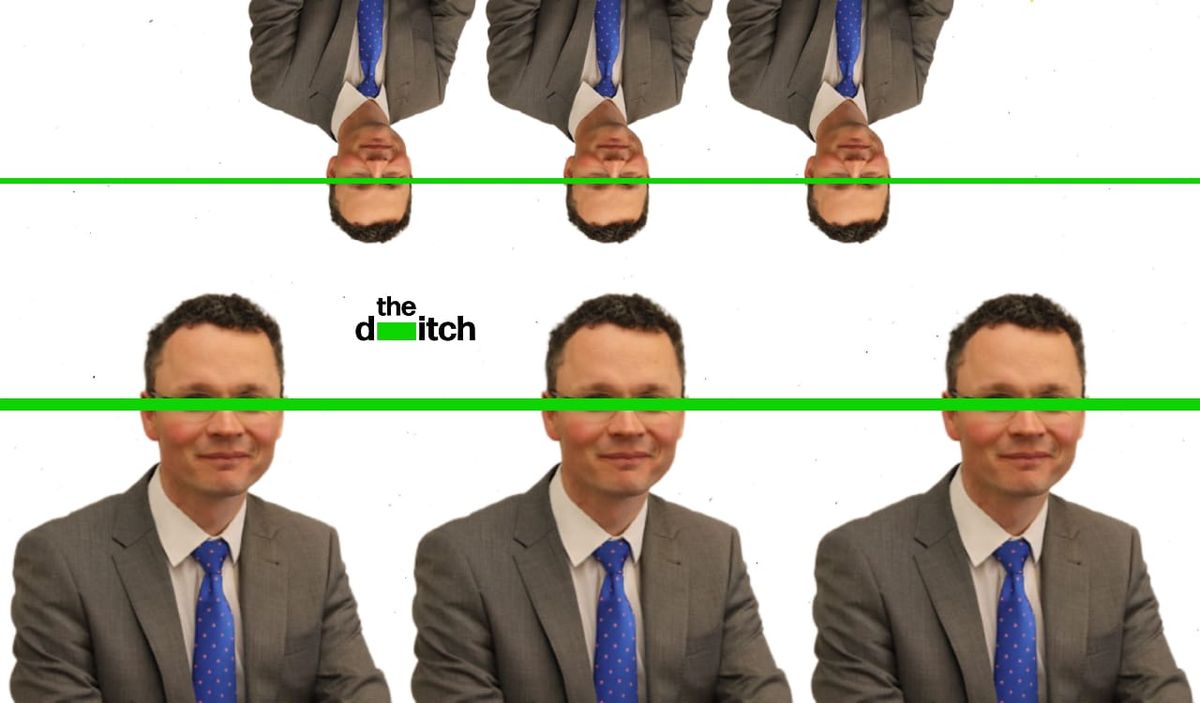
During controversy over his “sinister” comments about media, Patrick O’Donovan didn’t admit he had already secretly called a Coimisiún na Meán commissioner to see if he as media minister could trigger a state “examination” of RTÉ fuel protest coverage he didn’t like.
During controversy over his “sinister” comments about media, Patrick O’Donovan didn’t admit he had already secretly called a Coimisiún na Meán commissioner to see if he as media minister could trigger a state “examination” of RTÉ fuel protest coverage he didn’t like.
A Coimisiún na Meán file note – marked “confidential” – confirms O’Donovan asked a media commissioner how he could “ask for an examination of the broadcast coverage of the protests”. Two days later he told media he was planning the request.
He’d already asked Coimisiún na Meán’s Rónán Ó Domhnaill to canvass his fellow commissioners to see “whether there was a mechanism in the legislation that allowed the minister to seek an examination about the broadcasts”.
According to the note – for “internal use only” – O’Donovan thought RTÉ coverage suffered from a “lack of balance” and that “this needs to be addressed”.
A mechanism for the minister to ask for an examination
On 13 April during the fuel protests Patrick O’Donovan spoke on Tipp Fm, WLRFM and Limerick Live 95 and said he was going to ask Coimisiún na Meán to review media coverage.
"Coimisiún na Meán may turn around to me and say, 'Nothing to see here, move along, move along,’ but I'm going to ask them the question anyway," he said, as reported by RTÉ last month.
The National Union of Journalists called his comments “sinister and deeply disturbing". Tánaiste Simon Harris later publicly distanced himself, saying there was “no need for any sort of formal review”.
What O’Donovan didn’t mention was that he’d already spoken with a Coimisiún na Meán commissioner to complain about media coverage and seek information about starting an “examination”.
The Saturday, 11 April call, which took place outside normal communication channels, was with Coimisiún na Meán’s Rónán Ó Domhnaill.
An internal Coimisiún na Meán briefing note lays out what was discussed on the call.
“Minister O'Donovan calls Rónán in the afternoon to express concern regarding media coverage of the fuel protests and to ask whether there was a mechanism for the minister within the legislation to ask for an examination of the broadcast coverage of the protests.”
On the call O’Donovan gave four examples.
He thought there was “a lack of balance” in an RTÉ radio broadcast that included three opposition spokespeople and one government representative and “Prime Time interviewing protestor James Geoghegan in a gentle way”.
“In general,” he said, according to the note, “the media only giving the side of the protestors in their news reports, and not the victims of the blockades” was another example of imbalance.
He also complained about “a journalist broadcasting from a protest from inside an unauthorised portacabin belonging to protestors”.
“The minister stressed,” said the note, “that he was not speaking about editorial control but rather the need for coverage to be balanced, and that this needs to be addressed.”
He also asked for the commissioner to speak with his colleagues about a formal examination of broadcasts.
“The minister asked if Rónán would speak to the other commissioners seeking clarity about whether there was a mechanism in the legislation that allowed the minister to seek an examination about the broadcasts,” reads the note.
When Ó Domhnaill discussed the Saturday call with fellow commissioners on Monday they agreed a meeting with O'Donovan would be "an appropriate next step”. The call was recorded internally as a "ministerial request."
O'Donovan told Ó Domhnaill he had already given radio interviews to Live 95FM, Tipp FM and WLR FM – the same interviews in which he publicly claimed he was going to "ask the question" of the regulator. He didn’t speak about the phone call he had already made.
After meeting Coimisiún na Meán officials on Tuesday, 14 April, O’Donovan withdrew the request.
By Thursday he was telling RTÉ’s News at One that “in hindsight, I should have used the word engage, chat to, talk to, which is exactly what I did on Tuesday”.
He again didn’t disclose that he had called Ó Domhnaill three days before the meeting and had floated a probe into RTÉ that would have been incompatible with EU law.
O’Donovan has been contacted for comment.